
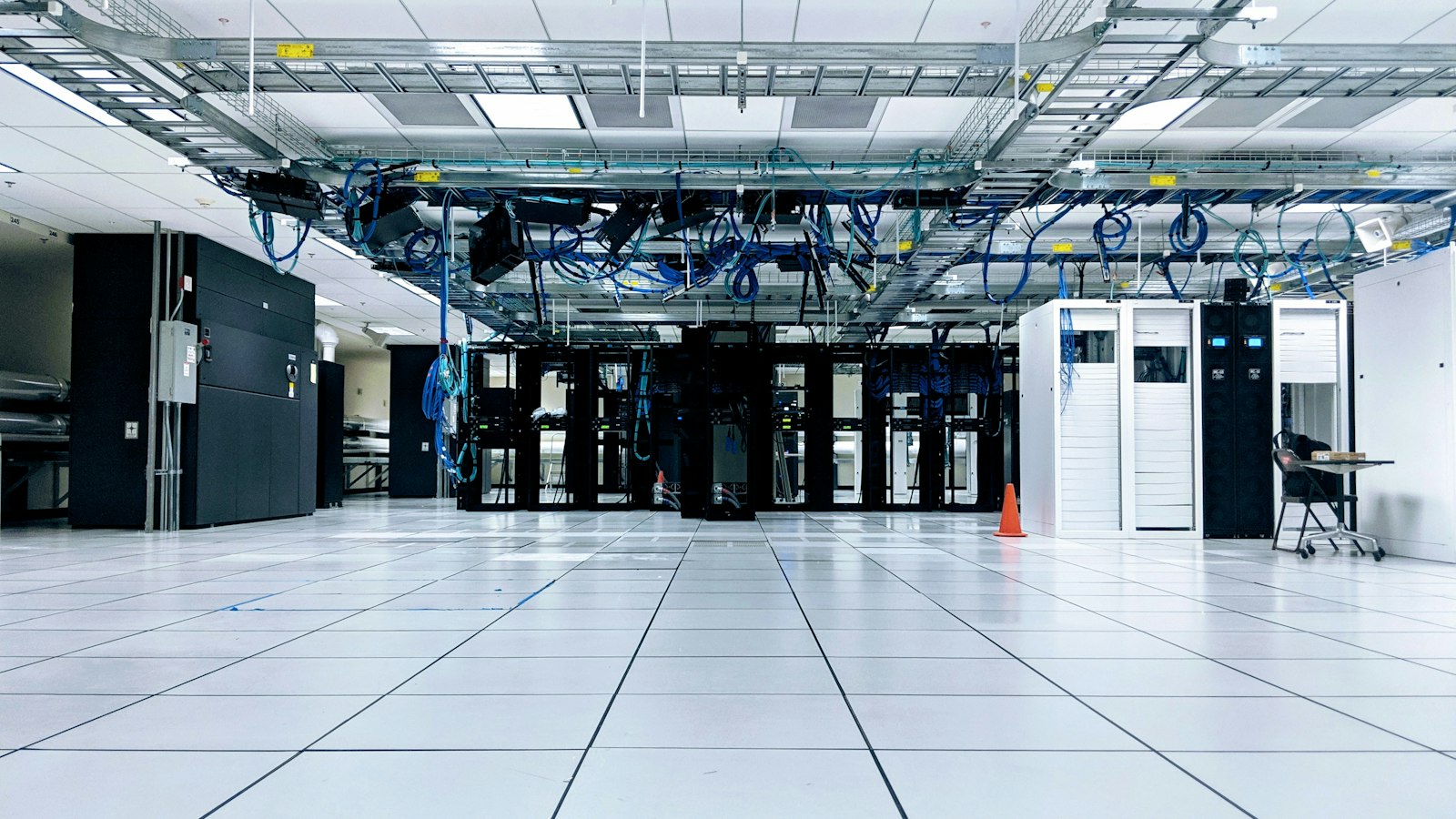


- TeraWulf disclosed in an October 5, 2026 SEC filing that it is expanding its Muskie Data Campus from 500 megawatts to a full 1 gigawatt of capacity
- The expansion doubles the site’s planned footprint, positioning it among the larger data infrastructure campuses TeraWulf operates
- The move continues TeraWulf’s shift from a pure bitcoin-mining operator toward a broader digital infrastructure company serving high-performance computing demand
TeraWulf, trading under the ticker WULF, told the Securities and Exchange Commission in an 8-K exhibit filed October 5, 2026 that it is expanding its Muskie Data Campus from an originally planned 500 megawatts of capacity to a full 1 gigawatt, doubling the site’s scale.
The expansion reflects surging demand for large-scale power and data infrastructure capable of supporting both bitcoin mining and, increasingly, high-performance computing workloads tied to artificial intelligence. TeraWulf has spent the past year repositioning itself from a company focused narrowly on bitcoin mining into a broader digital infrastructure operator, striking deals to lease capacity at some of its sites to AI and cloud computing customers seeking reliable, scalable power access.
Doubling a single campus from 500 megawatts to 1 gigawatt represents a substantial capital commitment, requiring expanded power procurement, cooling infrastructure, and site construction well beyond what the original footprint called for. TeraWulf has pursued a strategy of locating its facilities near low-cost, often renewable or nuclear-adjacent power sources, a positioning that has made its sites attractive to hyperscale compute tenants looking to secure capacity without having to build new power infrastructure from scratch themselves.
The Muskie expansion fits into a broader industry trend of bitcoin miners repurposing their expertise in securing cheap power and running energy-intensive facilities to capture a share of the booming AI data center market. Companies including Core Scientific, Cipher Mining, and Hut 8 have each pursued similar pivots over the past year, as the economics of hosting AI compute workloads at scale have in some cases become more attractive than mining bitcoin alone, particularly for miners with access to large blocks of contracted power.
For TeraWulf, doubling Muskie’s capacity signals confidence that demand for the expanded site, whether from AI customers, continued bitcoin mining operations, or some combination of both, will be strong enough to justify the additional buildout. The filing did not specify a timeline for when the expanded 1 gigawatt capacity would be fully operational, but the disclosure underscores how quickly data infrastructure plans across the sector are scaling up as both bitcoin mining economics and AI compute demand continue to evolve.
Disclaimer: Cryip's content is strictly for educational and informational purposes and does not constitute financial, legal, or investment advice. Cryptocurrency involves significant risk, and readers assume full responsibility for their own financial decisions. Asset references are never endorsements.
To make complex crypto topics accessible to readers at all experience levels, our team uses AI tools strictly to refine language, correct grammar, and simplify terminology. AI is never used to draft facts, source information, or form conclusions. Every article is fact-checked and approved by a human editor before publication. Read our full AI Use & Content Policy.