



- Bipartisan bill aims to ban sports betting on prediction markets
- Kalshi and Polymarket specifically targeted under CFTC regulation
- Sen. Adam Schiff and Sen. John Curtis leading the proposal
- Casino-style games also included in proposed restrictions
- Concerns include consumer protection, tribal sovereignty, and youth exposure
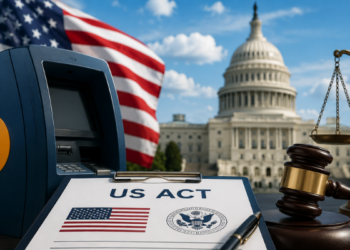
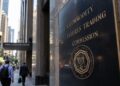
Bipartisan Effort to Restrict Prediction Market Betting: A bipartisan pair of U.S. senators are introducing legislation aimed at restricting the scope of prediction markets, particularly in relation to sports betting. Sens. Adam Schiff (D., Calif.) and John Curtis (R., Utah) are leading the effort to prohibit entities regulated by the Commodity Futures Trading Commission (CFTC) from offering contracts tied to sporting events. The proposed bill is scheduled to be introduced on Monday and marks a significant step toward federal oversight of prediction market activities, report from WSJ.
The legislation specifically targets platforms such as Kalshi and Polymarket’s U.S. operations, which currently operate under CFTC regulation. These platforms allow users to trade on event outcomes using yes-or-no contracts, covering a wide range of topics. However, a large portion of their activity is centered around professional and college sports, which lawmakers argue resembles traditional sports betting. The bill seeks to draw a clear boundary between regulated financial contracts and gambling activities.
Lawmakers Raise Concerns Over Regulatory Gaps
Sen. Adam Schiff stated that the CFTC has been “greenlighting these markets and even promoting their growth,” raising concerns about regulatory oversight. He emphasized that prediction markets offering sports-related contracts create a “backdoor” into gambling, potentially bypassing state-level consumer protections. Schiff also highlighted that such practices may intrude upon tribal sovereignty, an important consideration in U.S. gaming laws.
Additionally, Schiff pointed out that these platforms do not contribute public revenue in the same way traditional, state-regulated gambling systems do. This lack of financial benefit to states further strengthens the argument for federal intervention. The bill aims to address these concerns by ensuring that sports betting activities remain under appropriate jurisdiction and regulatory frameworks.
Inclusion of Casino-Style Gaming Restrictions
Beyond sports betting, the proposed legislation also seeks to prohibit “casino-style games” from being listed on prediction market platforms. These include games such as slot machines, video poker, blackjack, and bingo. Lawmakers argue that allowing such contracts blurs the line between financial instruments and gambling products.
The inclusion of these restrictions reflects broader concerns about the expansion of gambling-like activities into federally regulated markets. By explicitly banning these offerings, the bill aims to prevent prediction platforms from evolving into full-scale gambling ecosystems. This move is intended to reinforce the distinction between financial trading and gaming activities.
Concerns Over Youth Exposure and State Authority: Sen. John Curtis expressed concern about the growing exposure of young people to gambling-like products through these platforms. He noted that “too many young people in Utah are getting exposed to addictive sports betting and casino-style gaming contracts.” Curtis emphasized that such activities should fall under state control rather than federal regulators like the CFTC.
The senator’s remarks highlight the broader debate over jurisdiction and regulatory responsibility. States have traditionally overseen gambling activities, including sports betting, following established legal frameworks. The proposed bill seeks to reaffirm this authority by limiting the role of federal agencies in overseeing markets that resemble gambling operations.
Competition with Traditional Betting Platforms: Platforms like Kalshi and Polymarket offer contracts on a wide range of topics, including politics, weather, and pop culture. However, much of their trading activity is concentrated on professional and college sports events. This focus places them in direct competition with established sports betting operators such as FanDuel and DraftKings.
The growing overlap between prediction markets and traditional betting platforms has raised questions about fairness and regulatory consistency. While sportsbooks operate under strict state regulations and taxation systems, prediction markets currently function under federal oversight. The proposed legislation aims to address this imbalance by limiting the types of contracts these platforms can offer.
First Bipartisan Senate Bill on Prediction Markets
The legislation represents the first bipartisan Senate effort specifically targeting prediction markets and their regulatory framework. It signals increasing scrutiny from lawmakers as these platforms continue to expand in popularity and scope. The bill’s introduction could mark the beginning of broader discussions on how to classify and regulate emerging financial-gambling hybrid products.
As the proposal moves forward, it is expected to generate debate among regulators, industry participants, and state authorities. The outcome could significantly reshape the landscape for prediction markets in the United States. For now, the bill underscores growing concern in Congress over the intersection of finance, technology, and gambling.
Disclaimer: Cryip's content is strictly for educational and informational purposes and does not constitute financial, legal, or investment advice. Cryptocurrency involves significant risk, and readers assume full responsibility for their own financial decisions. Asset references are never endorsements.
To make complex crypto topics accessible to readers at all experience levels, our team uses AI tools strictly to refine language, correct grammar, and simplify terminology. AI is never used to draft facts, source information, or form conclusions. Every article is fact-checked and approved by a human editor before publication. Read our full AI Use & Content Policy.