
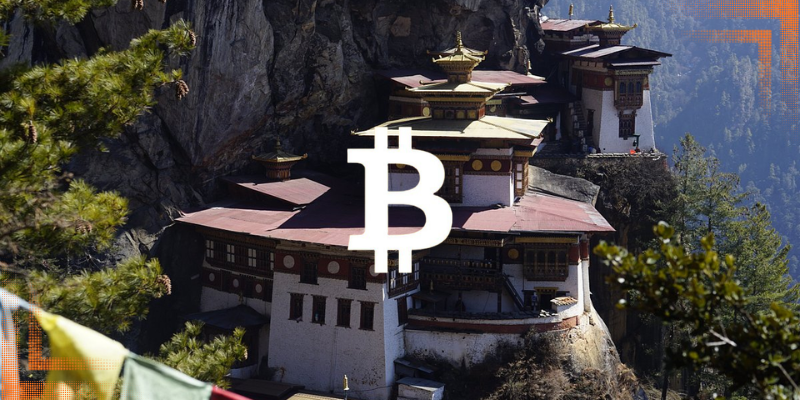
- Bhutan transferred 319.7 BTC worth approximately $22.68 million to two wallet addresses.
- 250 BTC moved to a wallet previously linked to sales through Galaxy Digital and OKX.
- Bhutan’s bitcoin holdings dropped from around 13,000 BTC in October 2024 to 3,954 BTC.
- This represents a 70% reduction in sovereign BTC reserves over 18 months.
- Data shows $215.7 million in bitcoin moved out this year alone.
- No bitcoin inflow above $100,000 has been recorded for over a year.
- Questions remain over whether Bhutan’s hydropower-backed BTC mining is still operating.
Bhutan Continues Selling Bitcoin Holdings
Bhutan has continued reducing its sovereign bitcoin reserves, according to blockchain data tracked by Arkham Intelligence. The Royal Government of Bhutan transferred approximately 319.7 BTC worth $22.68 million to two wallet addresses on Thursday. Around 250 BTC was sent to a wallet previously used to route funds for sale through Galaxy Digital and OKX. Another 69.7 BTC moved to a new unlabeled address.
These transfers are part of a broader pattern of ongoing bitcoin sales. Bhutan held approximately 13,000 BTC in October 2024. Those holdings were accumulated through a hydropower-backed mining operation managed by Druk Holding and Investments, Bhutan’s sovereign wealth fund.
Current holdings now stand at 3,954 BTC worth roughly $280.6 million. Based on these figures, Bhutan has reduced its bitcoin reserves by about 70% over the past 18 months. Arkham data also shows that $215.7 million in bitcoin has moved out of Bhutan’s holding addresses this year alone. Of that amount, $162.6 million was sent to unlabeled wallets.
Mining Activity Faces Questions
Bhutan’s bitcoin strategy originally drew attention as an example of sovereign bitcoin mining. The country used hydropower resources to support mining operations through Druk Holding and Investments, creating bitcoin using renewable energy generated from its rivers. However, recent blockchain activity has raised questions about whether that mining operation is still active.
Arkham data shows Bhutan’s last bitcoin inflow exceeding $100,000 was recorded more than a year ago. This suggests the government may currently be selling previously accumulated bitcoin without adding newly mined supply. Druk Holdings has not publicly commented on the recent transfers or on the operational status of its mining activities. CoinDesk reported that the organization did not respond to several emails and calls over the past week.
Economic Conditions May Affect Mining Viability
The economics of bitcoin mining may help explain Bhutan’s recent activity. Bhutan’s mining operation was more viable when bitcoin traded above $90,000 and mining difficulty was lower. At current bitcoin price levels near $71,000, combined with all-time high network difficulty and the post-halving block reward reduced to 3.125 BTC, mining margins have become tighter for smaller-scale operations.
The same hydropower resources that supported Bhutan’s mining project may also provide stronger revenue opportunities through electricity exports to neighboring India. This becomes increasingly relevant as mining hardware loses value over time with each rise in network difficulty.