
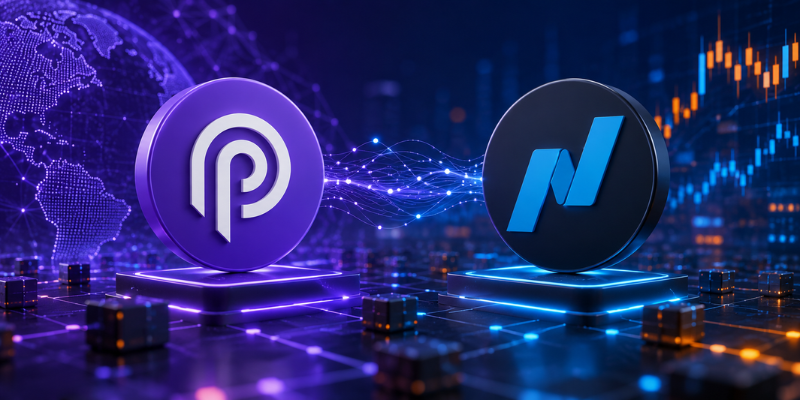


Nasdaq will begin distributing its TotalView market data through the Pyth Data Marketplace, extending one of its core equity market data products to blockchain-connected applications as financial institutions continue integrating distributed ledger technology into capital markets infrastructure.
The announcement makes Pyth the first blockchain-based distribution network selected by Nasdaq for its proprietary market data. The arrangement expands how Nasdaq’s data is delivered but does not alter the exchange’s existing market data licensing model or trading operations.
The move comes as exchanges, market data vendors and financial technology companies increasingly adapt their services for software-driven trading platforms, tokenized assets and blockchain-based financial applications. While blockchain adoption in capital markets remains at an early stage, several financial institutions have begun using distributed ledger technology for functions such as settlement, asset issuance and data distribution.
🚨 BREAKING: Nasdaq selects Pyth for data distribution.
The exchange behind the opening bell is now distributing its market data through the Pyth Data Marketplace.
One of the most recognized names in global finance. Now on Pyth. 🧵 pic.twitter.com/IGK9PeJLo9
— Pyth Network 🔮 (@PythNetwork) June 30, 2026
Nasdaq confirmed the agreement in a June 30 announcement, while Pyth Network separately outlined the partnership and the availability of Nasdaq’s market data through its Data Marketplace.
TotalView data to reach new distribution channels
Nasdaq TotalView is the exchange’s full depth-of-book data feed, providing visibility into all displayed buy and sell orders across Nasdaq-listed securities. The product also includes the Net Order Imbalance Indicator, which measures buying and selling interest ahead of the exchange’s opening and closing auctions.
Unlike basic price feeds that display only the highest bid and lowest offer, depth-of-book data enables trading firms to analyze market liquidity, order flow and execution conditions. The data will be distributed through Pyth’s marketplace to users building financial software, tokenized asset platforms and applications operating on emerging blockchain infrastructure.
Possible use cases include:
- Quantitative trading and execution systems
- Market surveillance and analytics platforms
- Tokenized securities applications
- Digital asset trading platforms
- Financial data services requiring real-time order book information
Blockchain becomes another distribution layer
The agreement reflects a broader industry trend in which blockchain technology is increasingly being used alongside existing financial infrastructure rather than as a replacement for it.
Over the past two years, several exchanges and financial institutions have expanded projects involving tokenized assets, blockchain-based settlement systems and digital representations of traditional securities. Market data has also become part of that transition as software developers seek direct access to institutional datasets for automated trading and financial applications. At the same time, web3 fundraising updates continue to highlight rising investment activity across decentralized finance and blockchain infrastructure projects.
For exchanges, distributing market data through additional technology platforms can broaden access to customers building new financial products without changing how regulated markets operate.
Growing participation from traditional financial institutions
Nasdaq joins a list of organizations already publishing datasets through the Pyth Data Marketplace, including Tradeweb, OTC Markets Group, Euronext FX, SGX FX, Exchange Data International, Kalshi and the U.S. Department of Commerce.
The expansion comes amid wider efforts by traditional financial firms to make market infrastructure compatible with blockchain-based systems. Earlier this year, Nasdaq announced initiatives related to tokenized securities and digital asset infrastructure, while other exchanges have introduced blockchain pilots focused on settlement and post-trade services.
Industry analysts say these projects indicate that financial institutions are placing greater emphasis on connecting existing market infrastructure with emerging digital networks rather than creating entirely separate trading ecosystems.
Although blockchain-based financial markets remain relatively small compared with conventional exchanges, participation by established market operators suggests distributed ledger technology is increasingly being evaluated as an additional layer for delivering financial services, market data and transaction processing. The latest partnership also reinforces the broader trend that Nasdaq expands blockchain infrastructure to support institutional access to digital financial networks and emerging tokenized markets.