


- Iran to charge transit tolls on oil tankers in the Strait of Hormuz
- Fees set at ~$1 per barrel, reaching up to $2 million per ship
- Payments accepted in Bitcoin, yuan, and other currencies
- Move aims to reduce reliance on the dollar system amid sanctions pressure
- Global shipping and oil markets face potential disruption
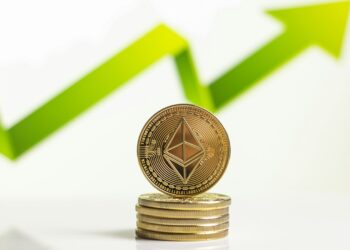
- Bitcoin gains ~7% amid US-Iran ceasefire developments
Iran Introduces Hormuz Transit Fees
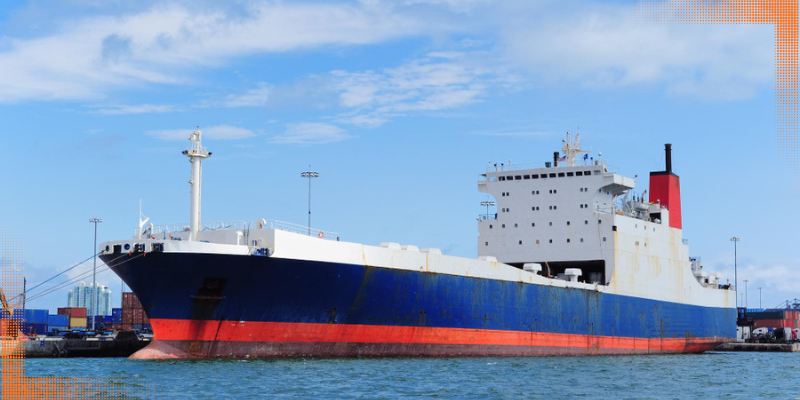
Iran is moving to impose transit fees on oil tankers passing through the Strait of Hormuz during a reported two-week ceasefire window. The toll is set at approximately $1 per barrel of oil, with a fully loaded supertanker potentially facing charges of up to $2 million per trip, according to FT. As part of the policy, Iran will allow payments in Bitcoin, Chinese yuan, and other currencies, signaling a shift away from the dollar-based financial system.
Strategic Importance of the Strait of Hormuz: The Strait of Hormuz is one of the world’s most vital energy chokepoints, handling nearly 20% of global oil trade. It connects the Persian Gulf to the Arabian Sea and serves as a key export route for major oil-producing nations. Any disruption, restriction, or additional cost imposed on this route can have immediate ripple effects across global energy markets, shipping costs, and inflation.
Crypto and Alternative Payments Gain Ground
Iran will allow payments for these transit fees in cryptocurrency, including Bitcoin, as well as in Chinese yuan and other currencies. This payment structure reflects an effort to reduce reliance on the global dollar-based financial system and minimize the risk of funds being frozen under existing sanctions.
Iran’s willingness to accept cryptocurrencies highlights a broader strategy among sanctioned nations to leverage decentralized financial systems for cross-border trade. If implemented at scale, this could mark one of the most significant real-world use cases of cryptocurrency in global trade and state-level financial operations.
Impact on Global Shipping and Oil Markets
The proposed toll system introduces new uncertainty for shipping companies operating in the region.
- Higher costs: Additional fees may increase transportation expenses
- Legal risks: Payments involving sanctioned entities could raise compliance concerns
- Insurance challenges: Coverage terms may shift due to geopolitical risks
These factors could lead to reduced traffic through the strait or increased costs being passed on to consumers, potentially influencing global oil prices and supply chains.
Market Reaction and Bitcoin Activity
A ceasefire announcement by Donald Trump involving Iran triggered a sharp reaction across global markets. Oil prices declined while equities moved higher, reflecting easing geopolitical tensions. Trump wrote in a statement, “We received a 10-point proposal from Iran, and believe it is a workable basis on which to negotiate.”
Bitcoin recorded a surge in activity, with $2.7 billion in taker buy volume on Binance derivatives within two hours of the announcement. The rapid inflow of liquidity highlighted how traders repositioned in response to changing market conditions. Bitcoin rose approximately 7% following reports of US-Iran ceasefire developments and is currently trading near $71,296 (09:13 AM UTC). The asset continues to play a growing role in Iran’s estimated $7.8 billion crypto ecosystem.
Rising Geopolitical Tensions: The development comes amid escalating tensions in the Middle East and renewed sanctions pressure. Iran’s move underscores how control over strategic infrastructure can be leveraged for economic and political influence. By linking energy transit access with alternative payment systems, Iran is combining energy security with financial innovation, potentially reshaping aspects of international trade.
Iran’s reported demand for transit fees, including payments in Bitcoin, for tanker passage through the Strait of Hormuz marks a significant intersection of geopolitics, energy markets, and digital finance. While the long-term sustainability of such a system remains uncertain, it reflects a broader shift toward alternative financial mechanisms in global trade. Its impact on oil markets, shipping operations, and cryptocurrency adoption will continue to be closely monitored.
Disclaimer: Cryip's content is strictly for educational and informational purposes and does not constitute financial, legal, or investment advice. Cryptocurrency involves significant risk, and readers assume full responsibility for their own financial decisions. Asset references are never endorsements.
To make complex crypto topics accessible to readers at all experience levels, our team uses AI tools strictly to refine language, correct grammar, and simplify terminology. AI is never used to draft facts, source information, or form conclusions. Every article is fact-checked and approved by a human editor before publication. Read our full AI Use & Content Policy.