


- HKMA grants first stablecoin licenses to HSBC and Anchorpoint Financial
- Anchorpoint backed by Standard Chartered-led consortium including Animoca Brands
- Stablecoins Ordinance took effect in August 2025
- 36 applications reviewed, only a small number approved
- Strict KYC and AML rules enforced with wallet identity verification
- Transfers restricted to verified wallets with compliance controls
- HKD stablecoins positioned for trade settlement use cases
Hong Kong Issues First Stablecoin Licenses
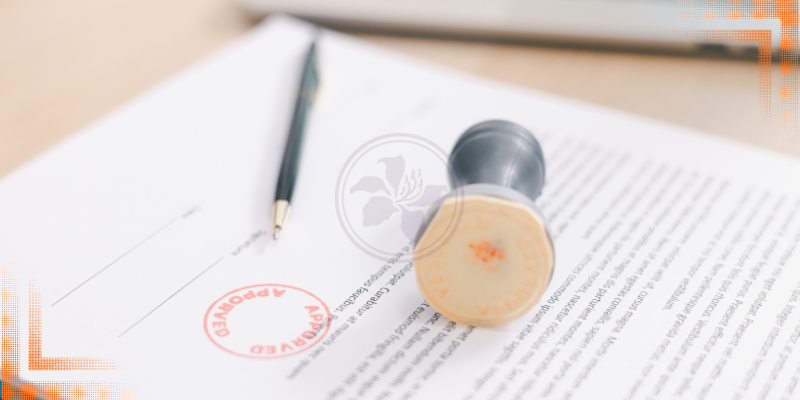
Hong Kong has granted its first stablecoin issuer licenses to HSBC and Anchorpoint Financial, a consortium led by Standard Chartered that includes Animoca Brands. The approvals were issued by the Hong Kong Monetary Authority (HKMA) on Friday. The licenses mark the first batch issued under the Stablecoins Ordinance, which came into effect in August 2025. The regulator reviewed a total of 36 applications and limited approvals to a small number of applicants.
HKMA Chief Executive Eddie Yue stated that the authority expects issuers to launch their businesses in line with their plans while maintaining proper risk management. He added that regulated stablecoins are expected to address financial inefficiencies and support digital asset development in Hong Kong.
Bank-Led Model Reflects Historical Framework
The decision to grant licenses to HSBC and Standard Chartered-linked entities reflects Hong Kong’s long-standing financial structure. Both banks are among the limited institutions authorized to issue Hong Kong dollar banknotes.
This system dates back to 1846, when private banks issued currency backed by silver deposits. Today, note-issuing banks deposit U.S. dollars with the Exchange Fund at a fixed rate of HK$7.80 per dollar and receive Certificates of Indebtedness to print banknotes. Eddie Yue previously compared historical private banknotes to modern stablecoins, describing both as forms of privately issued money backed by reserves, with stablecoins functioning as blockchain-based equivalents.
Strict Compliance Rules and Market Positioning
The licensed stablecoins will operate under strict anti-money laundering (AML) and know-your-customer (KYC) requirements. Transfers will only be allowed between wallets with verified identities, and the travel rule applies to transactions exceeding HK$8,000 (approximately $1,000).
These rules mean that HKD stablecoins will likely include built-in compliance mechanisms, such as restricting transfers to pre-approved wallet addresses. This structure differs from widely used stablecoins like USDT and USDC, which allow broader transferability. The HKMA’s approach also signals a shift away from prioritizing a central bank digital currency (CBDC). Instead, Hong Kong is focusing on bank-issued stablecoins and tokenized deposits as tools for digital trade settlement.
Standard Chartered CEO Bill Winters previously stated that stablecoins and tokenized deposits could support a new era of cross-border trade settlement. Hong Kong aims to position regulated HKD stablecoins within regional commerce, despite the global stablecoin market being dominated by U.S. dollar-based assets. The stablecoin market currently stands at approximately $319 billion, according to CMC, with USD-denominated tokens accounting for the majority share.
Disclaimer: Cryip's content is strictly for educational and informational purposes and does not constitute financial, legal, or investment advice. Cryptocurrency involves significant risk, and readers assume full responsibility for their own financial decisions. Asset references are never endorsements.
To make complex crypto topics accessible to readers at all experience levels, our team uses AI tools strictly to refine language, correct grammar, and simplify terminology. AI is never used to draft facts, source information, or form conclusions. Every article is fact-checked and approved by a human editor before publication. Read our full AI Use & Content Policy.