
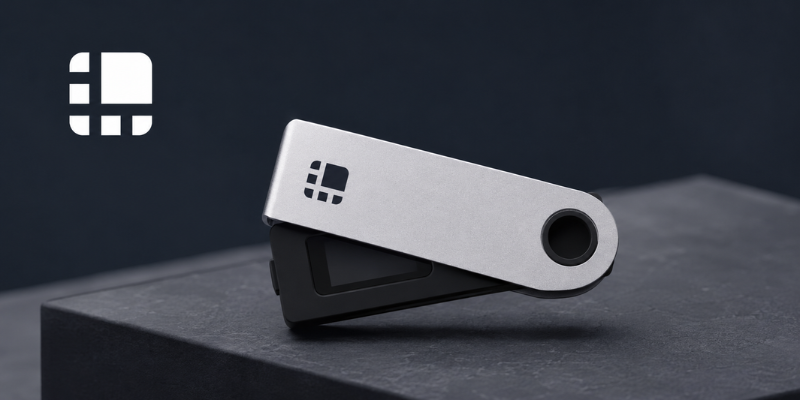


A Cardano user claimed a significant unauthorized withdrawal of 2.3 million ADA from a Ledger hardware wallet without any transaction approval, adding to security concerns following the recent SecondFi wallet incident. The report emerged on June 26, 2026, when X user smokeNotCNFT posted about the sudden drain from their Ledger device. The user stated that the wallet had not been connected to any dApp and no transaction was signed. Ledger replied promptly to the post, acknowledging the difficulty of such losses and directing the user to their official support documentation for reported fund losses. The company also issued a standard security reminder, cautioning against scammers who exploit these situations. Ledger emphasized that it never requests 24-word recovery phrases via calls, messages, or unsolicited contact.
Hi @smokeNotCNFT, we’re sorry to hear about your experience. Losing funds is devastating and we know how difficult it can be to process.
Please start here: https://t.co/TEpeqgTmyy This guide outlines the steps to take if you’ve confirmed a loss.
Also, please be careful.…
— Ledger (@Ledger) June 26, 2026
Hardware wallets like Ledger are typically unaffected by software generation flaws unless users had previously exposed their recovery phrases through vulnerable interfaces or restored seeds from compromised wallets. No public on-chain evidence was widely shared at the time of initial reporting to fully substantiate the 2.3 million ADA drain. Security incidents have not been limited to wallet providers alone. Earlier this month, attackers drained approximately $7.3 million from legacy liquidity lockers on BNB Chain, highlighting how vulnerabilities across different parts of the crypto ecosystem can expose user funds.
The events highlight ongoing challenges in wallet security across the Cardano ecosystem. While the blockchain itself remains secure, user-side tools and practices are critical. Hardware wallets provide strong protection by keeping keys offline, but recovery phrases must never be entered into potentially vulnerable software environments.
Affected or concerned users are advised to:
- Avoid restoring old seeds into any wallet
- Generate fresh addresses using hardware wallet confirmation
- Move funds to a new Ledger wallet with a completely new 24-word recovery phrase
Official channels from Ledger and SecondFi remain the only reliable sources for guidance. Both have warned about active phishing attempts tied to these incidents. As investigations continue, the episode serves as a timely reminder for holders to review past wallet connections, audit interactions, and prioritize strict offline seed management to maintain ecosystem confidence.
Disclaimer: Cryip's content is strictly for educational and informational purposes and does not constitute financial, legal, or investment advice. Cryptocurrency involves significant risk, and readers assume full responsibility for their own financial decisions. Asset references are never endorsements.
To make complex crypto topics accessible to readers at all experience levels, our team uses AI tools strictly to refine language, correct grammar, and simplify terminology. AI is never used to draft facts, source information, or form conclusions. Every article is fact-checked and approved by a human editor before publication. Read our full AI Use & Content Policy.