



Key Facts
- Sam Bankman-Fried has petitioned the Supreme Court to overturn his fraud conviction from the collapse of FTX.
- The petition also targets the roughly $11 billion forfeiture order tied to the case.
- A cert petition does not guarantee the Court will hear the case; the Court accepts only a small share of the petitions filed each term.
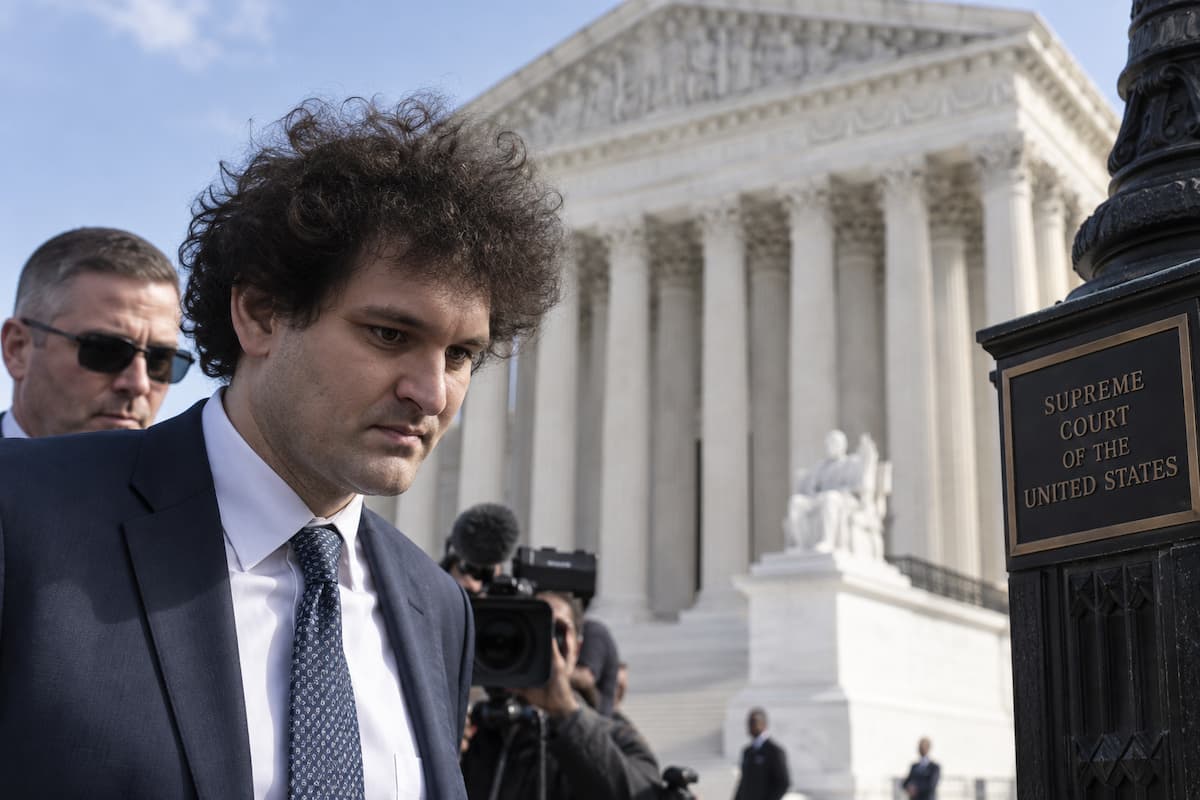
Sam Bankman-Fried has filed a petition asking the Supreme Court to overturn his fraud conviction and the roughly $11 billion forfeiture order that followed the collapse of FTX, the crypto exchange he founded and ran until its abrupt failure. Petitions and case status for matters before the Court are tracked through its own public docket search, the authoritative record of where any filing actually stands in the Court’s process.
What a Cert Petition Actually Asks For
The Supreme Court does not function as a routine appeals court that reviews every case a losing party wants reconsidered. A petition for a writ of certiorari, the formal name for what Bankman-Fried has filed, is a request asking the Court to exercise discretion to hear the case at all, and the Court denies the overwhelming majority of the thousands of such petitions it receives each term. Getting a case heard typically requires convincing the Court that the case presents an important, unsettled legal question, not simply that the petitioner disagrees with the outcome below or believes the trial court made a mistake specific to their case.
That framing matters for how to read this filing. It is a real, formal step in the legal process, and it keeps Bankman-Fried’s case alive within the appellate system rather than closing it out after his conviction was upheld at the appeals court level. But filing the petition is not evidence that the underlying legal arguments are strong enough to succeed, and the Court granting certiorari, agreeing to actually hear the case, would itself be a significant and far from guaranteed outcome on its own, well before any argument about the conviction’s merits gets addressed.
Why the Forfeiture Order Is a Separate Fight From the Conviction
The roughly $11 billion forfeiture order is a distinct legal question from whether the underlying fraud conviction itself should stand, since forfeiture calculations in large financial fraud cases involve their own contested methodology, disputes over how a loss amount gets calculated, what counts as proceeds of the fraud versus legitimate business activity, and how restitution to victims interacts with a separate forfeiture to the government. A petitioner can lose on the conviction question while still having a live argument about whether the forfeiture amount was calculated correctly, which is why petitions like this one typically bundle both issues rather than treating the conviction as the only thing worth challenging.
Disclaimer: Cryip's content is strictly for educational and informational purposes and does not constitute financial, legal, or investment advice. Cryptocurrency involves significant risk, and readers assume full responsibility for their own financial decisions. Asset references are never endorsements.
To make complex crypto topics accessible to readers at all experience levels, our team uses AI tools strictly to refine language, correct grammar, and simplify terminology. AI is never used to draft facts, source information, or form conclusions. Every article is fact-checked and approved by a human editor before publication. Read our full AI Use & Content Policy.