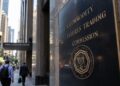


The City of Baltimore filed two lawsuits Thursday accusing Kalshi and Polymarket’s corporate entities of running unlicensed sports betting operations behind the label of prediction markets, asking a city court for civil penalties, restitution for consumers and an order barring the platforms from taking bets from Baltimore residents.
One case, filed against KalshiEX LLC, Kalshi Inc. and distribution partners Robinhood, Webull and Coinbase, is docketed as C-24-CV-26-005532. The other, against Polymarket’s operating entities QCX LLC, Blockratize Inc. and QC Tech LLC, is C-24-CV-26-005535.
The letter behind the case
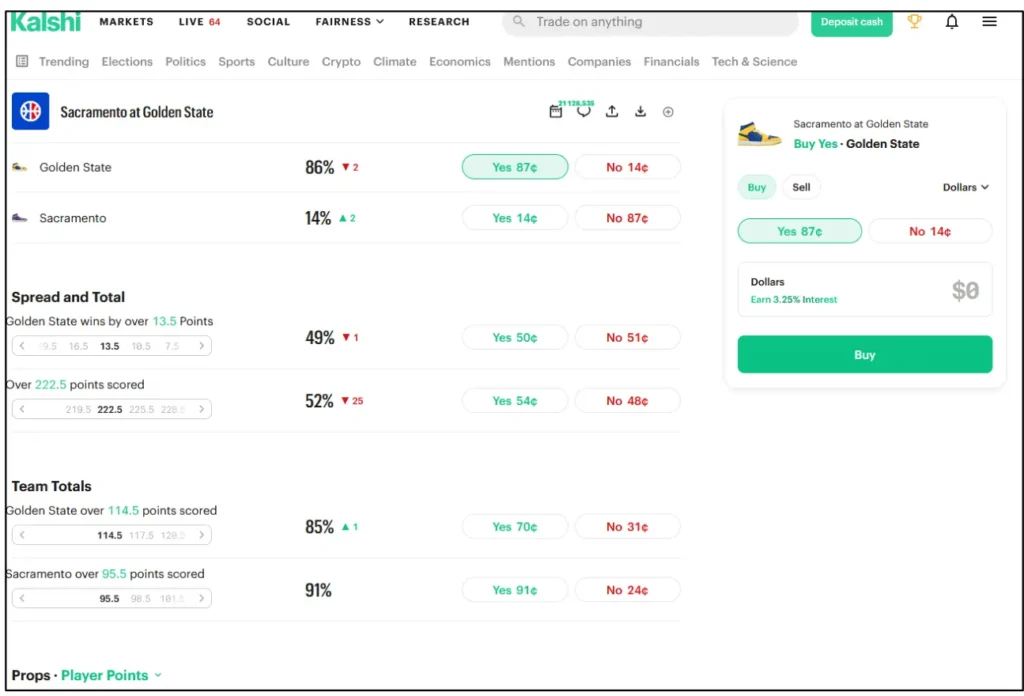
The Kalshi complaint rests heavily on an April 2025 letter from the Maryland Lottery and Gaming Control Agency, which told Kalshi its sports contracts were “indistinguishable from the act of placing a sports wager” and ordered the company to stop offering them in the state. That letter appears to closely mirror one the American Gaming Association, the casino industry’s own lobbying group, had already sent making nearly the same argument, with only a handful of words changed. The AGA has a direct financial stake in keeping an unlicensed competitor out of a market its own members pay to operate in legally.
Kalshi has called Baltimore’s suit “political theater” and says it operates lawfully under federal oversight, an argument it has made and lost in Maryland’s federal court once already. In August 2025, a judge in that case rejected Kalshi’s claim that federal commodities law shields it from state gambling rules, though the ruling is now on appeal at the Fourth Circuit.
A number Kalshi already disputes
Both complaints lean on figures meant to show ordinary bettors are losing badly. Baltimore’s filing against Kalshi cites a Roosevelt Institute analysis putting total retail losses on the platform at $583.5 million, with $371.6 million of that from sports contracts alone. Kalshi disputes the number, saying the analysis confuses order-book “maker” and “taker” classifications with actual professional and casual traders, and that it fails to account for wash trading on Polymarket’s own data.
The Polymarket complaint makes a parallel case on its own numbers: fewer than 2,000 accounts have taken in nearly $500 million in profit since November 2022, and 67% of all profits go to just 0.1% of users. Both filings also flag that each platform lets 18-year-olds trade, while Maryland’s legal sports-betting age is 21.
One warning, not two
Kalshi’s regulatory paper trail with Maryland runs back to April 2025, when the state agency first told it to stop. No equivalent warning to Polymarket turns up in Maryland’s public record before Thursday’s suit, even though the city is accusing it of the identical conduct on the identical day.
A fight already playing out in six other states
Baltimore’s filing lands inside a legal fight that is already splitting courts across the country. A federal appeals court in Philadelphia sided with Kalshi in April, ruling that the Commodity Futures Trading Commission likely has exclusive authority over sports-related event contracts. A month later, courts went the other way in Ohio, Michigan and Washington state, and in July a federal judge in Minnesota blocked that state’s outright ban on prediction markets from taking effect. The CFTC itself has sued six states this year, including New York and Minnesota, arguing none of them have any authority to regulate these contracts at all. New York’s own attorney general sued Kalshi separately in July, only for the CFTC to invoke emergency powers weeks later and keep the exchange running there anyway. A separate appeal covering Ohio and Tennessee was argued before the Sixth Circuit on July 30, with no ruling yet.
A Richmond ruling could land first
Neither Kalshi nor Polymarket had filed a response to Baltimore’s complaints as of Thursday. Congress has its own version of this fight underway, too: a bipartisan bill from Senator Adam Schiff and Senator John Curtis would bar CFTC-regulated exchanges from offering sports contracts at all. The Fourth Circuit, based in Richmond, is expected to rule on Maryland’s own earlier case against Kalshi before Baltimore’s new suit gets far, and that decision will likely set the terms for how much of the city’s case survives.
Disclaimer: Cryip's content is strictly for educational and informational purposes and does not constitute financial, legal, or investment advice. Cryptocurrency involves significant risk, and readers assume full responsibility for their own financial decisions. Asset references are never endorsements.
To make complex crypto topics accessible to readers at all experience levels, our team uses AI tools strictly to refine language, correct grammar, and simplify terminology. AI is never used to draft facts, source information, or form conclusions. Every article is fact-checked and approved by a human editor before publication. Read our full AI Use & Content Policy.