
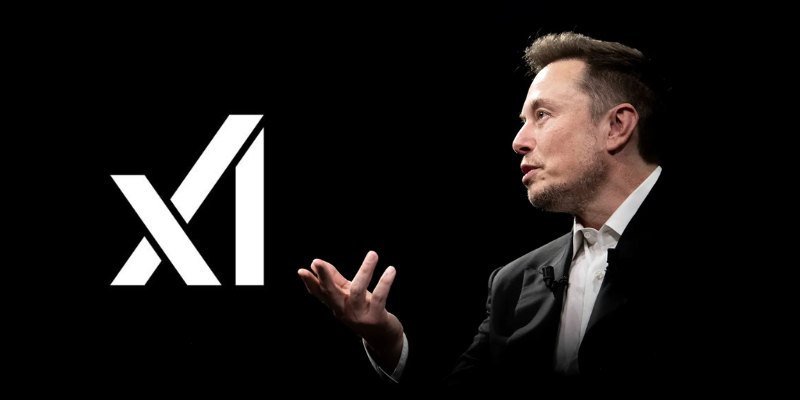
- xAI filed a lawsuit against Colorado over AI regulations.
- Targets Senate Bill 24-205 on algorithmic discrimination.
- Claims rules would restrict AI speech and alter Grok’s responses.
- xAI argues enforcement conflicts with its goal of being “maximally truth seeking.”
- Debate continues over state vs federal AI regulation.
xAI Challenges Colorado AI Law
Elon Musk’s artificial intelligence company, xAI, has filed a lawsuit against the state of Colorado, seeking to block upcoming AI regulations that it claims restrict speech from AI chatbots such as Grok.
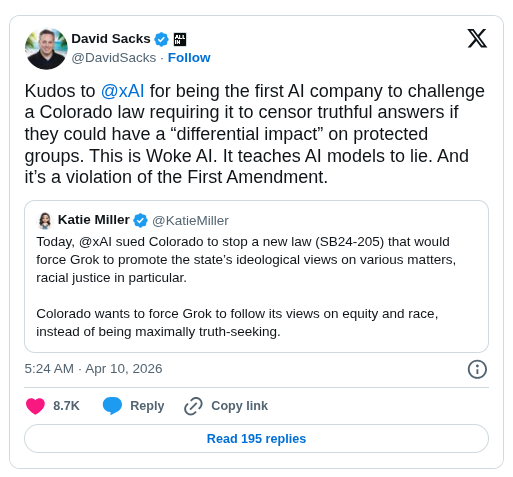
The legal challenge focuses on Colorado’s Senate Bill 24-205, which is designed to protect users from “algorithmic discrimination” in sectors including employment, housing, and finance. In its filing to a US district court in Colorado, xAI argued that the state cannot alter the company’s messaging to align with specific political views on fairness and equity. The company stated that enforcing such rules would interfere with Grok’s design and intended function.
Claims of Speech Restriction and Contradictions
xAI contended that the law is contradictory, arguing that while it aims to prevent discrimination, it promotes “differential treatment” to increase diversity or address historical inequalities.
The company further stated that compliance would require modifying Grok’s outputs, which it claims would undermine its goal of being “maximally truth seeking.”
This is not the first legal challenge by xAI against state-level AI regulations. In December, the company filed a lawsuit against California over its Generative AI Training Data Transparency Act, arguing that disclosure requirements compel speech and risk exposing trade secrets in violation of constitutional protections. The legal disputes come amid prior accusations that Grok produced racist, sexist, and antisemitic content.
Federal vs State AI Regulation Debate
The lawsuit also highlights a broader policy debate over how artificial intelligence should be regulated in the United States. White House AI advisor David Sacks has advocated for a unified federal approach, warning against a fragmented system of state-level rules. He stated that having multiple states regulate AI in different ways creates a “patchwork” that is difficult for companies to navigate and comply with. Sacks has been appointed co-chair of the President’s Council of Advisors on Science and Technology to address these regulatory challenges.