


- Kalshi to preemptively block athletes and politicians from trading on related markets
- New system prevents trades before execution, strengthening existing safeguards
- Polymarket updates integrity rules banning insider influence and illegal tips
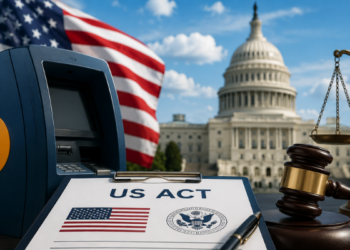
- Bipartisan U.S. bill targets sports-related prediction markets
- Arizona files criminal charges against Kalshi over alleged unlicensed operations
Kalshi Tightens Insider Trading Safeguards
Prediction market platform Kalshi plans to introduce new measures that will block athletes, coaches, officials, and political candidates from trading on markets connected to their roles. The system will prevent professional and collegiate sports participants from placing trades on their teams or leagues. Political candidates will also be restricted from trading on markets tied to their own campaigns. Although such activity was already prohibited, the new mechanism is designed to stop trades before they occur, rather than relying on enforcement after violations.
Growing Scrutiny on Prediction Markets: The move comes as prediction markets face increasing pressure to address insider trading risks, particularly in high-conflict areas such as sports and politics. Regulators and lawmakers are evaluating whether stronger controls, or outright restrictions are needed as these platforms expand.
Industry and Policy Developments
Kalshi’s announcement coincides with broader changes across the sector:
- Rival platform Polymarket introduced updated rules banning trading based on stolen information, illegal tips, or by individuals who can influence outcomes.
- U.S. Senators Adam Schiff and John Curtis proposed the Prediction Markets Are Gambling Act, which would ban federally regulated exchanges from offering sports or casino-related contracts.
Regulatory Tensions Rise
The expansion of prediction markets has created a divide between federal oversight by the Commodity Futures Trading Commission (CFTC) and state authorities. Arizona’s attorney general recently filed criminal charges against Kalshi, alleging it operates an unlicensed sports gambling platform. At the same time, CFTC Chair Mike Selig has indicated plans to challenge state efforts to limit federal regulatory authority.
Concerns Over Match-Fixing and Insider Activity
Authorities and analysts have raised concerns about insider trading risks, including the possibility of athletes influencing outcomes for financial gain. Recent cases have involved MLB pitchers, NBA players, and NCAA basketball athletes accused of coordinating with outsiders to profit from bets. Analyst Dustin Gouker noted that insider trading poses a serious threat to the credibility of prediction markets.
Kalshi is strengthening its enforcement approach through technology and partnerships. The company is working with Integrity Compliance 360 (IC360) to screen athletes during onboarding. According to Kalshi’s head of enforcement, Robert DeNault, while eliminating all illicit activity is unrealistic, proactive safeguards can significantly reduce risks.
Critics argue that expanding prediction markets into sports-related contracts could expose more users, including younger audiences, to gambling-like activities. Supporters of new legislation say it would clarify regulatory authority and reinforce state control over sports betting. Kalshi’s preemptive restrictions highlight a broader effort by prediction market platforms to address insider trading risks and demonstrate compliance as regulatory scrutiny intensifies. Recently, bipartisan U.S. bill has been introduced to ban sports betting on prediction markets, directly targeting platforms like Kalshi and Polymarket.
Disclaimer: Cryip's content is strictly for educational and informational purposes and does not constitute financial, legal, or investment advice. Cryptocurrency involves significant risk, and readers assume full responsibility for their own financial decisions. Asset references are never endorsements.
To make complex crypto topics accessible to readers at all experience levels, our team uses AI tools strictly to refine language, correct grammar, and simplify terminology. AI is never used to draft facts, source information, or form conclusions. Every article is fact-checked and approved by a human editor before publication. Read our full AI Use & Content Policy.