
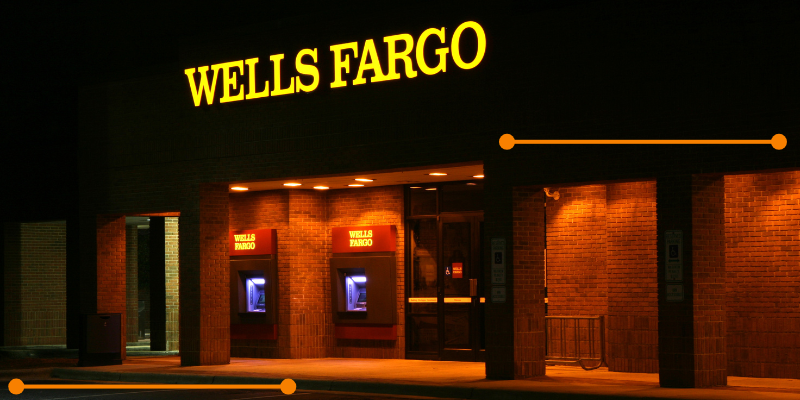
- Wells Fargo has filed a trademark application for “WFUSD”, indicating a deeper move into crypto and blockchain services.
- The filing suggests cryptocurrency payments, digital asset trading, and tokenization services.
- The initiative mirrors JPMorgan’s earlier digital asset trademark, which later led to a tokenized deposit launch.
- Major U.S. banks are increasingly exploring stablecoins and tokenized assets.
Wells Fargo Signals Deeper Entry Into Crypto
Wells Fargo has taken another step toward digital asset adoption by filing a trademark application for a crypto-related platform called WFUSD. The move signals the bank’s growing interest in blockchain technology and tokenized financial products. The filing, submitted to the U.S. Patent and Trademark Office (USPTO), outlines a range of potential services tied to the WFUSD brand. These include cryptocurrency payment processing, digital asset trading, and software designed to support the tokenization of assets.
Wells Fargo is one of the largest banks in the United States, overseeing roughly $1.7 trillion in assets. The trademark application suggests the bank may be exploring ways to integrate digital assets into its financial services infrastructure.
Possible Stablecoin or Tokenized Deposit
The name WFUSD has sparked speculation that the project could involve a tokenized U.S. dollar deposit or stablecoin. Such products are designed to maintain a stable value tied to the U.S. dollar while operating on blockchain networks.
Tokenized deposits are increasingly being explored by banks as a way to enable faster payments, improved settlement efficiency, and programmable financial services. While the filing provides clues about potential use cases, Wells Fargo has not confirmed the specific nature of the project and did not respond to requests for comment at the time of publication.
Following a Trend Set by JPMorgan
The development mirrors a similar move by JPMorgan last year when the bank filed a trademark for JPMD, a digital asset-related initiative. That filing eventually preceded the launch of a permissioned U.S. dollar deposit token on Base, a layer-2 network built on Ethereum. Such initiatives highlight how large financial institutions are experimenting with blockchain-based payment systems and digital asset infrastructure.
Growing Institutional Interest in Stablecoins
The trademark filing comes amid a broader shift among traditional banks toward digital assets. Financial institutions are increasingly exploring stablecoins, tokenized deposits, and blockchain settlement systems.
Reports last year indicated that several major U.S. banks including Wells Fargo, JPMorgan, Bank of America, and Citigroup had engaged in early-stage discussions about potentially launching a joint stablecoin initiative.
As the financial sector evaluates blockchain’s potential, projects like WFUSD could signal how established banks plan to integrate digital assets into mainstream financial services.