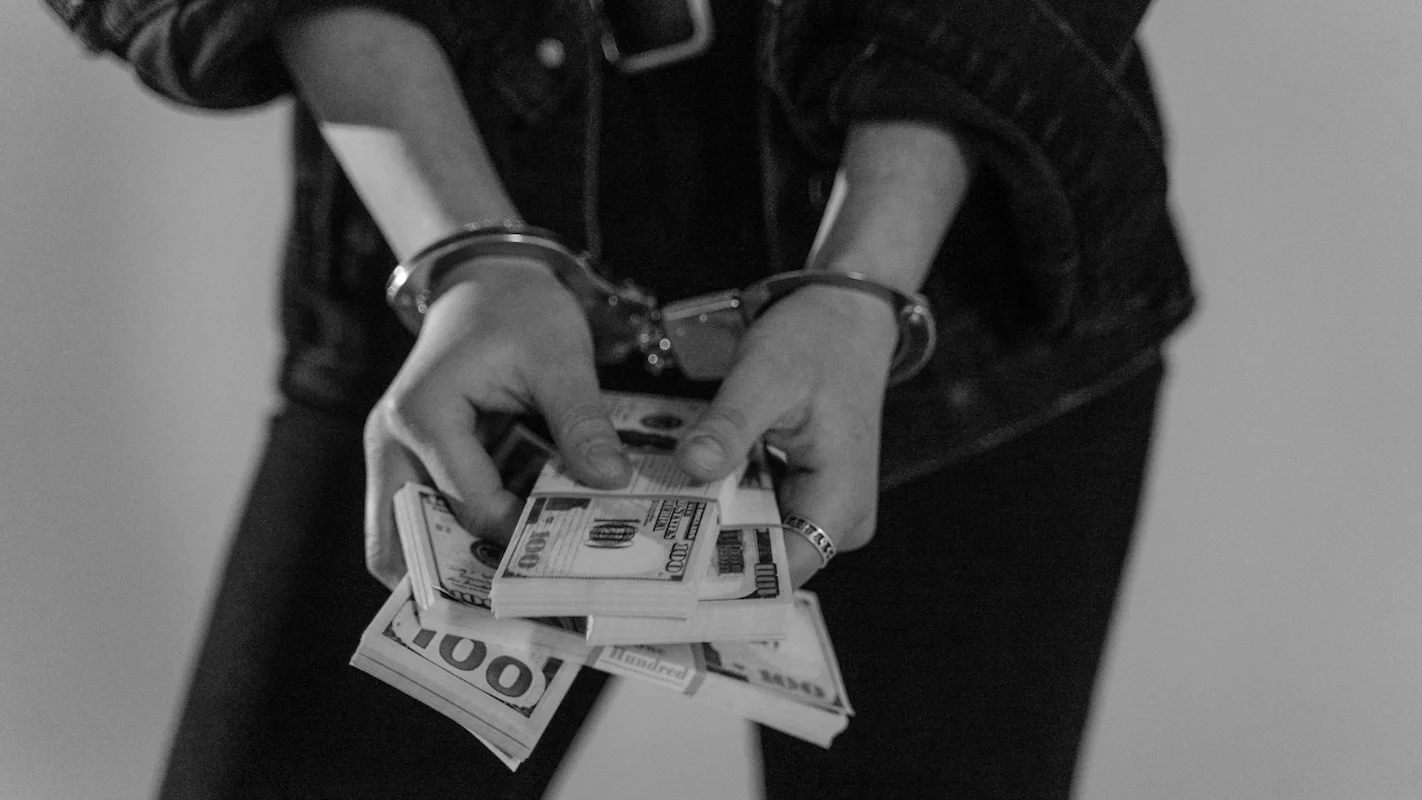


Seoul’s Southern District Court sentenced Delio founder and CEO Jeong Sang-ho to 15 years in prison on August 13, ordering him detained immediately over flight risk. The number behind that sentence is smaller than the case prosecutors built. Jeong was convicted of defrauding roughly 1,100 people of about 70 billion won, close to $49 million, less than a third of the 250 billion won and 2,800 victims he was originally charged with defrauding.
Three Companies, One Money Trail
- 2018: Delio launches in South Korea as a crypto lending platform, later marketed as the country’s first “crypto bank.”
- November 2022: FTX collapses. Assets belonging to Delio and sister platform Haru Invest, routed through consignment operator B&S Holdings, are frozen inside the exchange.
- June 2023: Haru Invest halts withdrawals on June 13. Delio follows the next day.
- September 2023: South Korea’s Financial Intelligence Unit fines Delio and suspends its business license for three months.
- November 2024: Delio is declared bankrupt.
- April 2025: Jeong is indicted on fraud and false-registration charges.
- June 2025: The Supreme Court upholds a 10-year sentence for B&S Holdings’ major shareholder.
- April 2026: Prosecutors seek a 20-year sentence for Jeong.
- August 2026: The court sentences him to 15 years.
What the Court Actually Found
The conviction rests on how Delio became a licensed virtual asset operator in the first place. To get that license, the court found Delio submitted an audit report that overstated its crypto holdings by roughly 47.6 billion won, about $34 million. Jeong also concealed mounting losses and hacking incidents while marketing the platform as a stable, high-yield alternative to a bank account. That pattern isn’t unique to Delio: Singapore prosecutors have separately accused Hodlnaut’s former CEO of instructing staff to deny the platform’s TerraUSD exposure before it collapsed in 2022. The court said Jeong spent the trial shifting blame onto other companies and rejected the defense argument that FTX’s collapse alone explains what happened to customer funds.
How the Larger Case Fell Apart
The original charge covered the full 250 billion won and all 2,800 people who had deposits frozen when Delio stopped processing withdrawals. Most of that case never reached sentencing. Investigators seized records from Gabia, the company that hosted Delio’s servers, without giving Delio the legal right to take part in the search or a list of what had been taken. Korean criminal procedure treats that omission as grounds to exclude evidence. The court excluded it, and with it, most of the fraud count.
A Different Verdict, Same Money Trail
The money that disappeared from Delio and Haru Invest didn’t vanish. It moved through B&S Holdings, which put both platforms’ crypto into positions on FTX, and froze there when the exchange collapsed. B&S Holdings’ major shareholder was convicted of embezzling about 600 billion won and sentenced to 10 years. That case reached the Supreme Court, which dismissed his appeal on June 26, 2025, and left the sentence in place. Nothing in that ruling turned on how the evidence was collected.
The Regulator Flagged It First
South Korea’s Financial Intelligence Unit didn’t wait for a criminal indictment. In September 2023, three months after Delio froze withdrawals, the agency fined the company roughly 1.9 billion won and suspended its business for three months, and recommended Jeong be removed as CEO. A Korean court later upheld the fine. None of that required the evidence prosecutors later lost in the Gabia search.
What the Verdict Doesn’t Settle
The ruling is a first-instance decision, and given the size of the case and the evidence ruling that gutted most of it, an appeal from either side is likely. Separately, Delio’s bankruptcy filing lists about 250 billion won owed to roughly 2,800 customers, a debt that exists independently of the criminal case and isn’t resolved by this verdict. Neither Jeong nor Delio has issued a public statement since the sentencing. Elsewhere in the region, a Singapore court has already held Terraform Labs and Do Kwon liable for misrepresenting UST’s stability to investors, a sign that courts across Asia are increasingly willing to assign personal liability to crypto founders over investor-facing claims.
Disclaimer: Cryip's content is strictly for educational and informational purposes and does not constitute financial, legal, or investment advice. Cryptocurrency involves significant risk, and readers assume full responsibility for their own financial decisions. Asset references are never endorsements.
To make complex crypto topics accessible to readers at all experience levels, our team uses AI tools strictly to refine language, correct grammar, and simplify terminology. AI is never used to draft facts, source information, or form conclusions. Every article is fact-checked and approved by a human editor before publication. Read our full AI Use & Content Policy.