
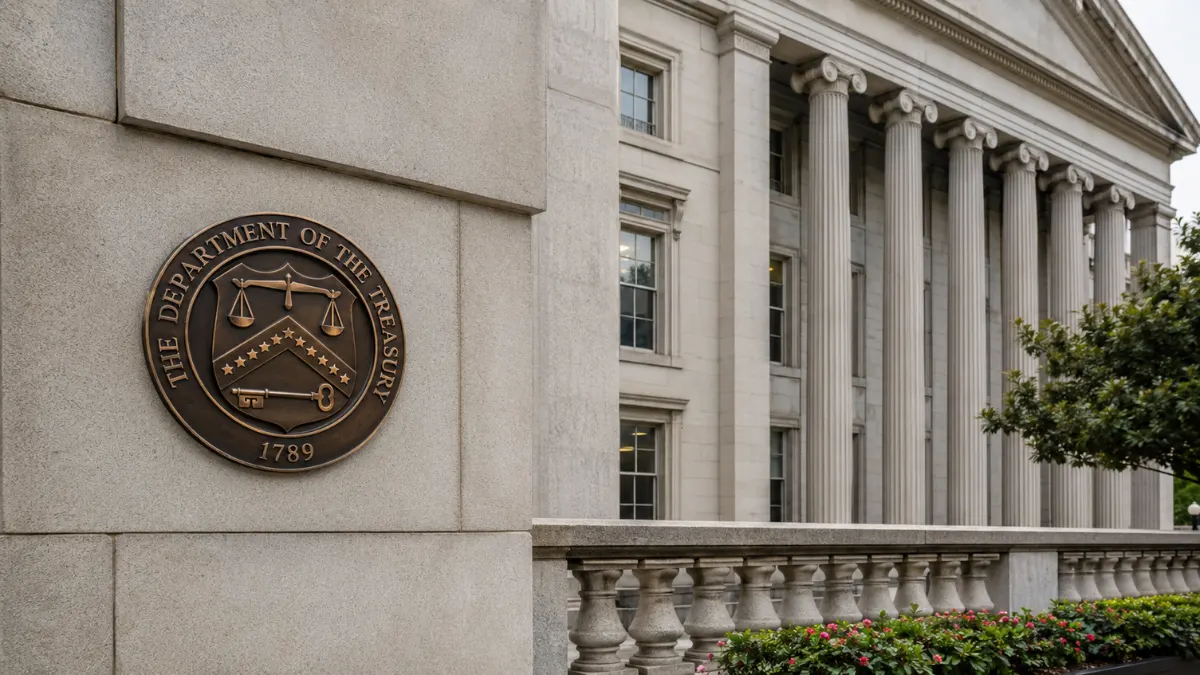


The U.S. Treasury Department has frozen more than $130 million in cryptocurrency allegedly linked to the Central Bank of Iran (CBI), marking one of the latest actions in Washington’s efforts to disrupt Iran’s financial networks. The sanctions were announced by the Office of Foreign Assets Control (OFAC) as part of a broader crackdown targeting entities accused of helping Iran evade international sanctions.
US Expands Sanctions on Iran’s Financial and Oil Networks
According to U.S. officials, the frozen digital assets were connected to wallets allegedly used to facilitate transactions outside the traditional banking system. Authorities claim these wallets played a role in supporting sanctioned financial activities tied to the Iranian government.
.@USTreasury is committed to disrupting and degrading Iran’s illicit financial activities, including its abuse of digital assets. Today, Treasury’s Office of Foreign Assets Control sanctioned multiple wallets tied to the Central Bank of Iran, resulting in the freeze of over $130…
— Treasury Secretary Scott Bessent (@SecScottBessent) July 14, 2026
The crypto sanctions were introduced alongside measures targeting a large shipping and oil network that U.S. officials say has generated billions of dollars in revenue for Iran. More than 50 individuals, companies, and vessels were added to the sanctions list, reflecting a wider effort to restrict the country’s access to global financial markets.
- More than $130 million in cryptocurrency linked to Iran’s Central Bank was frozen.
- The sanctions also target over 50 individuals, companies, and vessels allegedly involved in Iran’s oil trade.
- Officials say the action aims to disrupt the use of digital assets for sanctions evasion and illicit cross-border transactions.
The latest action follows Brazil’s freeze of approximately $2 billion in assets linked to a crypto money laundering network after U.S. sanctions targeted the operation, highlighting growing international coordination against illicit digital finance.
Brazilian authorities carried out the asset freeze through domestic enforcement measures, targeting funds allegedly connected to organizations accused of facilitating sanctions evasion and cross-border financial crimes.
Crypto Enforcement Becomes a Key Sanctions Tool
Blockchain investigators reported that the frozen assets were primarily held in wallets on the Tron network and largely consisted of USDT stablecoins. Rather than affecting the blockchain itself, the restrictions prevent the sanctioned wallets from transferring or redeeming the tokens, limiting access to the funds.
U.S. Treasury Secretary Scott Bessent said the sanctions form part of the government’s broader campaign to increase economic pressure on Iran. Washington has argued that cryptocurrencies have become an increasingly important tool for sanctioned entities seeking to move funds beyond the reach of the conventional banking system.
The latest enforcement action follows several crypto-related sanctions imposed earlier this year, highlighting the growing role of blockchain analytics and digital asset monitoring in international financial enforcement. Regulators have increasingly worked with stablecoin issuers and blockchain intelligence firms to identify wallets connected to sanctioned organizations.
While the sanctions are not expected to have a significant impact on the broader cryptocurrency market, they underscore the increasing intersection of digital assets and global geopolitics. The case also illustrates how governments are expanding the use of blockchain-based enforcement measures as cryptocurrencies become more integrated into cross-border financial activity.
The move follows earlier U.S. sanctions on 134 crypto wallets linked to ISIS-K, with Tether freezing related USDT to curb terrorist financing. The case highlighted growing cooperation between governments, blockchain firms, and stablecoin issuers to enforce crypto sanctions.
Disclaimer: Cryip's content is strictly for educational and informational purposes and does not constitute financial, legal, or investment advice. Cryptocurrency involves significant risk, and readers assume full responsibility for their own financial decisions. Asset references are never endorsements.
To make complex crypto topics accessible to readers at all experience levels, our team uses AI tools strictly to refine language, correct grammar, and simplify terminology. AI is never used to draft facts, source information, or form conclusions. Every article is fact-checked and approved by a human editor before publication. Read our full AI Use & Content Policy.