

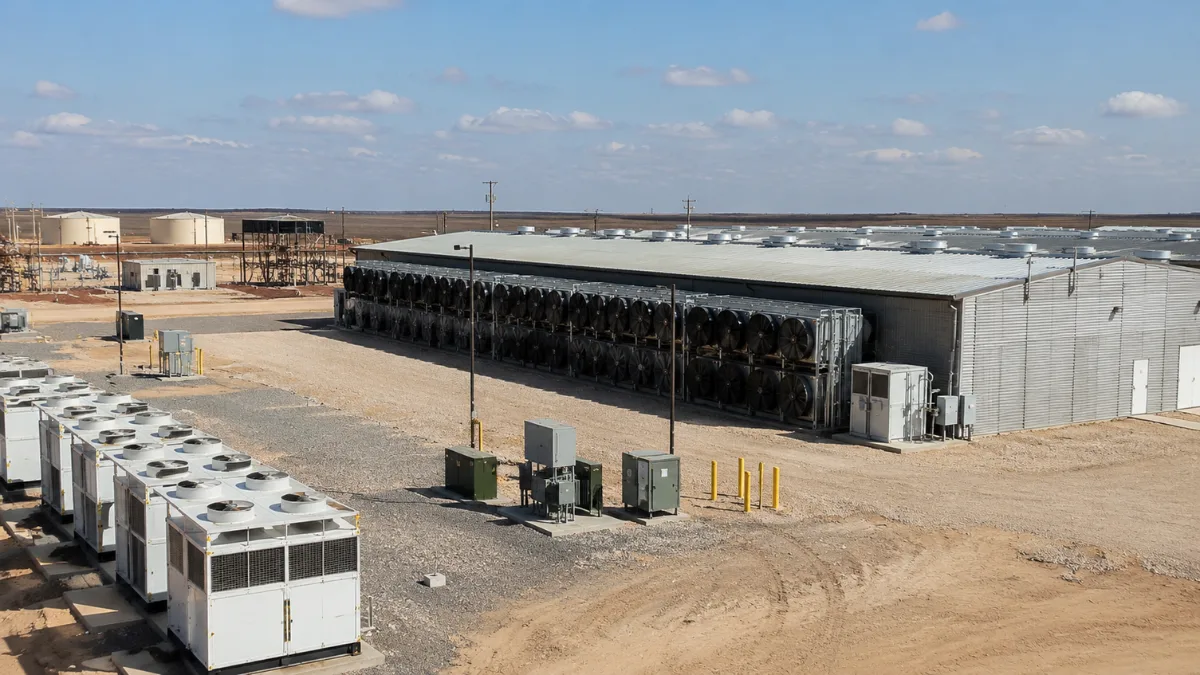


Bitcoin mining company Poolin has filed for Chapter 11 bankruptcy protection in the United States as it seeks court approval to sell its Texas Bitcoin mining assets for $52 million. The filing covers Poolin and its U.S. subsidiaries, Lonestar Dream Inc. and Lonestar Taproot LLC., marking another setback for what was once one of the world’s largest Bitcoin mining pools. In a separate development in May, Colombian President Gustavo Petro said Bitcoin mining powered by renewable energy could help transform Colombia’s Caribbean coast economy.
Poolin Seeks Court Approval for Asset Sale
Poolin plans to sell two mining facilities located in Pyote and Tarbush, Texas, through a court-supervised auction. The company has already secured a $52 million stalking horse bid from Thor CALAP LLC, including $15 million for the Pyote site and $37 million for the Tarbush facility. The bid sets the minimum sale price while allowing other interested buyers to submit higher offers.
Before filing for bankruptcy, Poolin marketed the properties for nearly three months to more than 335 potential buyers, including Bitcoin miners, AI infrastructure companies, hyperscalers, private equity firms, and real estate investors.
Why Did Poolin File for Bankruptcy?
Poolin’s financial problems began after China’s cryptocurrency mining ban in 2021, which forced the company to move much of its mining business overseas. It later expanded into Texas, expecting significant growth in Bitcoin mining operations.
However, the 2022 crypto market crash caused Bitcoin prices to fall sharply, reducing mining profitability and putting pressure on the company’s finances. In September 2022, Poolin suspended wallet withdrawals because of liquidity issues, leaving thousands of customers unable to access their crypto assets.
Court filings also reveal that Poolin had borrowed around $213 million using cryptocurrency as collateral to finance its expansion. As market conditions worsened, the company struggled to recover and eventually halted operations at its Texas mining sites on July 10, 2026.
The challenges facing Bitcoin miners are not limited to Poolin. Recently, SBI Crypto announced it will shut down its Bitcoin mining pool on July 31, ending nearly five years of operation as it shifts its business strategy.
Poolin Faces Massive Debt as Bankruptcy Process Begins
According to bankruptcy documents, Poolin has approximately $173.1 million in total obligations. Around $163.7 million is owed to Poolin Wallet users whose funds remained locked after the company suspended withdrawals in 2022. The filing estimates there are between 10,001 and 25,000 creditors. Poolin reported estimated assets of between $1 million and $10 million, while estimated liabilities range from $100 million to $500 million.
The company’s Texas mining facilities will now be sold through a court-supervised bankruptcy auction. The initial $52 million stalking horse bid sets the minimum purchase price, but other buyers can submit higher offers. If the court approves the final sale, the proceeds will be distributed to creditors under U.S. bankruptcy rules, although many wallet users may recover only a portion of their claims.
Poolin was once one of the world’s largest Bitcoin mining pools, but its bankruptcy highlights the lasting impact of the 2022 crypto market downturn. Rising mining costs, lower Bitcoin prices, and heavy debt have made it difficult for several mining companies to recover, showing the financial risks of rapid expansion during the crypto boom.
According to a court declaration reviewed by TheEnergyMag, the Chapter 11 filing is intended to facilitate the sale of Poolin’s Texas mining assets while addressing more than $173 million in outstanding obligations.
Disclaimer: Cryip's content is strictly for educational and informational purposes and does not constitute financial, legal, or investment advice. Cryptocurrency involves significant risk, and readers assume full responsibility for their own financial decisions. Asset references are never endorsements.
To make complex crypto topics accessible to readers at all experience levels, our team uses AI tools strictly to refine language, correct grammar, and simplify terminology. AI is never used to draft facts, source information, or form conclusions. Every article is fact-checked and approved by a human editor before publication. Read our full AI Use & Content Policy.