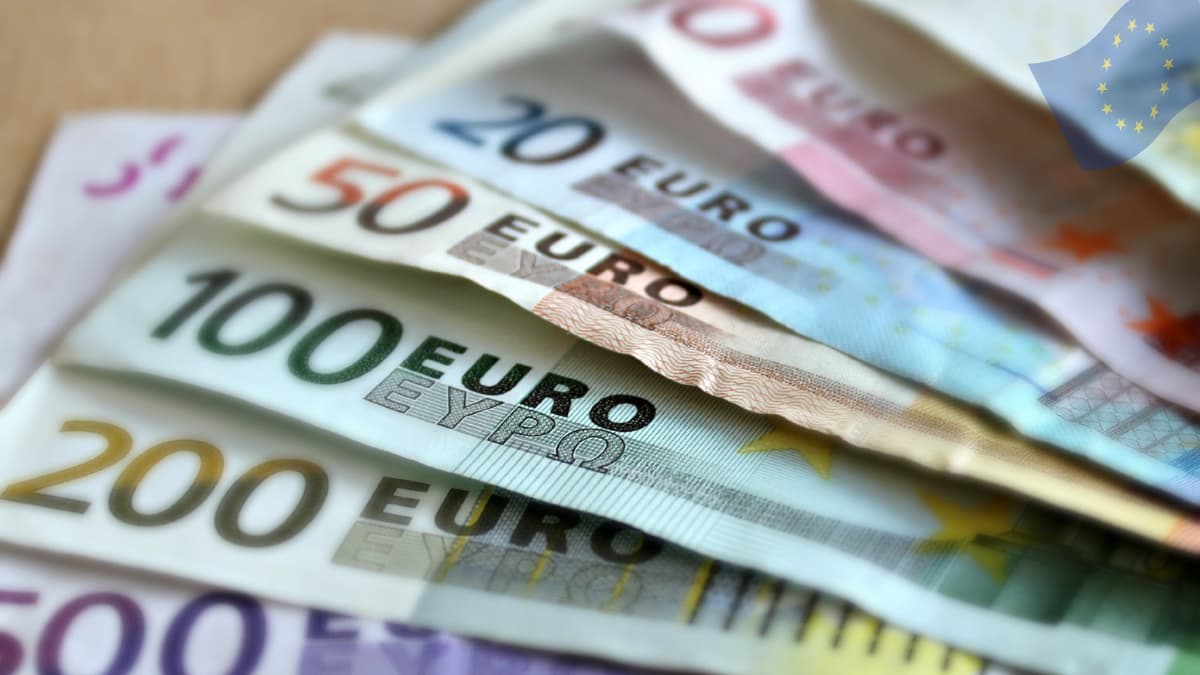


Piero Cipollone, a member of the European Central Bank’s Executive Board, told the ECB’s own publication on 24 August that the digital euro “guarantees the maximum level of privacy that current technology can offer.” He said the Eurosystem would not be able to identify who is paying whom in an offline transaction, and that only the banks handling it could.
What the current text actually locks in
The Council of the EU’s most recent negotiating position, dated 3 July, contains no explicit requirement to pseudonymize digital euro payments. It leaves the detailed rules on how payment providers, the ECB and national central banks may handle that data to rulebooks the ECB will write later.
The text does instruct the ECB to consult the EU’s data protection supervisor and apply “privacy-enhancing technologies,” but those are general principles, not a specific enforceable mechanism.
A three-year-old ask, still unmet
This is not a new complaint. In October 2023, the EU’s own data protection regulators, the European Data Protection Board and the European Data Protection Supervisor, reviewed the original digital euro proposal. They welcomed its offline option but stopped short of endorsing any anonymity claim, and asked instead for pseudonymization to be written into binding legal text.
Nearly three years on, that specific request has still not been met in the text negotiators are now working from, even as an ECB board member describes the privacy design as finished.
What critics want instead of a promise
In July, epicenter.works and 13 other European civil society groups, organized under European Digital Rights, made a similar argument in more technical terms. They said the current draft’s privacy protections “rely too heavily on institutional assurances rather than technical enforcement,” and called for cryptographic tools such as zero-knowledge proofs and threshold cryptography, plus open-source code, to make the guarantee provable rather than promised.
They also pointed to a different kind of privacy exposure: existing card networks such as Visa, Mastercard and PayPal fall under the US CLOUD Act, which can compel American authorities’ access to European payment data, a risk they say the digital euro is supposed to avoid, not just relocate.
What the final text would need to show
Trilogue negotiations between the Council, Parliament and Commission are ongoing, with a 2029 launch target. If the version they eventually agree on writes a pseudonymization or equivalent technical requirement directly into the regulation, rather than leaving it to future ECB rulebooks, Cipollone’s description will have caught up with the law. Until then, the guarantee he is describing publicly is the one the ECB intends to build, not the one Parliament has yet required it to.
Tokenised finance could support an integrated European market for digital assets, says Executive Board member Piero Cipollone.
We are enabling safe settlement in central bank money. To scale up, we need common standards, cooperation and legal certainty https://t.co/0iHoTE8c3Y pic.twitter.com/RyzerfKylw
— European Central Bank (@ecb) August 26, 2026
ECB’s account said tokenised finance could support an integrated European market for digital assets, quoting Cipollone on a different initiative: wholesale settlement infrastructure for tokenised assets, not the retail digital euro’s privacy design covered above.
Disclaimer: Cryip's content is strictly for educational and informational purposes and does not constitute financial, legal, or investment advice. Cryptocurrency involves significant risk, and readers assume full responsibility for their own financial decisions. Asset references are never endorsements.
To make complex crypto topics accessible to readers at all experience levels, our team uses AI tools strictly to refine language, correct grammar, and simplify terminology. AI is never used to draft facts, source information, or form conclusions. Every article is fact-checked and approved by a human editor before publication. Read our full AI Use & Content Policy.