




- Fold sold approximately $45 million worth of Bitcoin at an average price of about $71,000 per BTC as part of a balance-sheet restructuring initiative.
- The company used $20 million of the proceeds to repay all bitcoin-collateralized secured debt, eliminating its secured debt obligations.
- Approximately $25 million was allocated to growth initiatives across Fold’s consumer and enterprise businesses, including expansion of its product offerings.
- Despite the sale, Fold retained a Bitcoin treasury position and continues to have access to a revolving credit facility for future financing needs.
Bitcoin-focused financial services company Fold has sold approximately $45 million worth of Bitcoin as part of a balance-sheet restructuring effort aimed at reducing debt and increasing liquidity.
According to the company, the Bitcoin was sold at an average price of about $71,000 per BTC. Fold used roughly $20 million of the proceeds to repay bitcoin-collateralized secured debt, while the remaining $25 million was allocated to growth initiatives across its consumer and enterprise businesses.
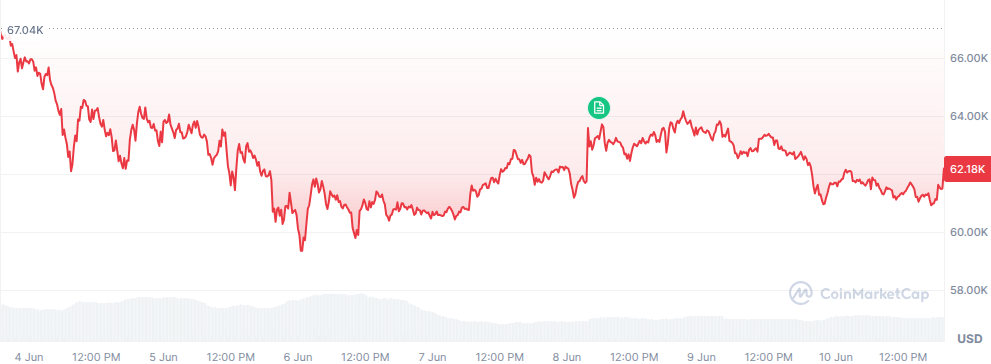
At the time of writing (1:45 p.m. UTC), Bitcoin was trading around $62,200, down approximately 0.4% over the previous 24 hours. Despite the daily decline, the cryptocurrency remained above the $62,000 level as investors continued to monitor broader market conditions and macroeconomic developments.
The transactions eliminated all of Fold’s secured debt obligations and increased available liquidity. The company said the move is expected to improve monthly cash flow by removing interest expenses associated with the retired debt.
The restructuring comes as Fold continues to expand its Bitcoin-related financial products, including its Bitcoin Credit Card, Bitcoin Gift Card, and business-focused offerings. The company said additional products are expected to launch in the coming months.
Will Reeves, Chairman and Chief Executive Officer of Fold, said:
“We believe Fold is poised for near-term growth and investing in that future is exactly what the company needs to do”.
The transactions eliminated all of Fold’s secured debt obligations and increased available liquidity. The company said the move is expected to improve monthly cash flow by removing interest expenses associated with the retired debt.
Debt Reduction and Liquidity Become Immediate Priorities
The company stated that strengthening liquidity and reducing financing risk were key objectives behind the transactions. By paying off secured debt, Fold has removed obligations tied to bitcoin-backed financing arrangements and gained additional flexibility in managing future capital needs.
Management said the improved balance-sheet position could support the continued expansion of its credit card business and help the company pursue additional financing partnerships. Fold also noted that its revolving credit facility remains available for future funding requirements.
The move reflects a broader trend among digital asset companies seeking to improve financial flexibility amid changing market conditions, particularly as access to capital and borrowing costs remain important considerations for growth-focused firms.
Fold’s decision comes amid a broader trend of publicly traded Bitcoin-focused companies monetizing portions of their digital asset holdings to strengthen balance sheets and meet corporate financing objectives. Between May 26 and May 31, 2026, Strategy sold 32 Bitcoin for approximately $2.5 million. Earlier in the year, Bitcoin miner MARA Holdings sold 15,133 Bitcoin in late March and early April as part of efforts to support a $1 billion debt repurchase initiative.
Riot Platforms also reported selling 3,778 Bitcoin during the first quarter of 2026, contributing to a decline in its holdings as miner selling activity increased across the sector. These transactions highlight how companies are increasingly using Bitcoin reserves as a source of liquidity for debt management, capital allocation, and operational funding.
Fold Maintains Bitcoin Treasury After Partial Sale
Despite monetizing a portion of its holdings, Fold said it continues to maintain a Bitcoin treasury position. The company did not disclose the size of its remaining holdings but stated that it retains the option to sell additional Bitcoin in the future if management determines it represents an efficient use of capital.
The decision highlights a balancing act faced by companies that hold Bitcoin on their balance sheets. While retaining digital assets can provide exposure to potential price appreciation, selling a portion of those holdings can also provide capital for debt reduction, operations, or business expansion.
Fold Chairman and Chief Executive Officer Will Reeves said the company believes the restructuring positions it to pursue near-term growth opportunities while operating with a stronger financial profile.
The announcement marks one of Fold’s most significant balance-sheet adjustments in recent months as the company seeks to expand its product lineup and customer base while reducing financing-related obligations.
Conclusion
Fold’s decision to monetize a portion of its Bitcoin holdings reflects a strategic effort to strengthen its financial position by reducing debt and improving liquidity. While the move decreases the company’s Bitcoin exposure, it provides additional capital for business expansion and operational flexibility. With a debt-free secured balance sheet, ongoing product development, and access to additional financing through its revolving credit facility, Fold is positioning itself to support future growth while maintaining a meaningful Bitcoin treasury reserve.
Disclaimer: Cryip's content is strictly for educational and informational purposes and does not constitute financial, legal, or investment advice. Cryptocurrency involves significant risk, and readers assume full responsibility for their own financial decisions. Asset references are never endorsements.
To make complex crypto topics accessible to readers at all experience levels, our team uses AI tools strictly to refine language, correct grammar, and simplify terminology. AI is never used to draft facts, source information, or form conclusions. Every article is fact-checked and approved by a human editor before publication. Read our full AI Use & Content Policy.