
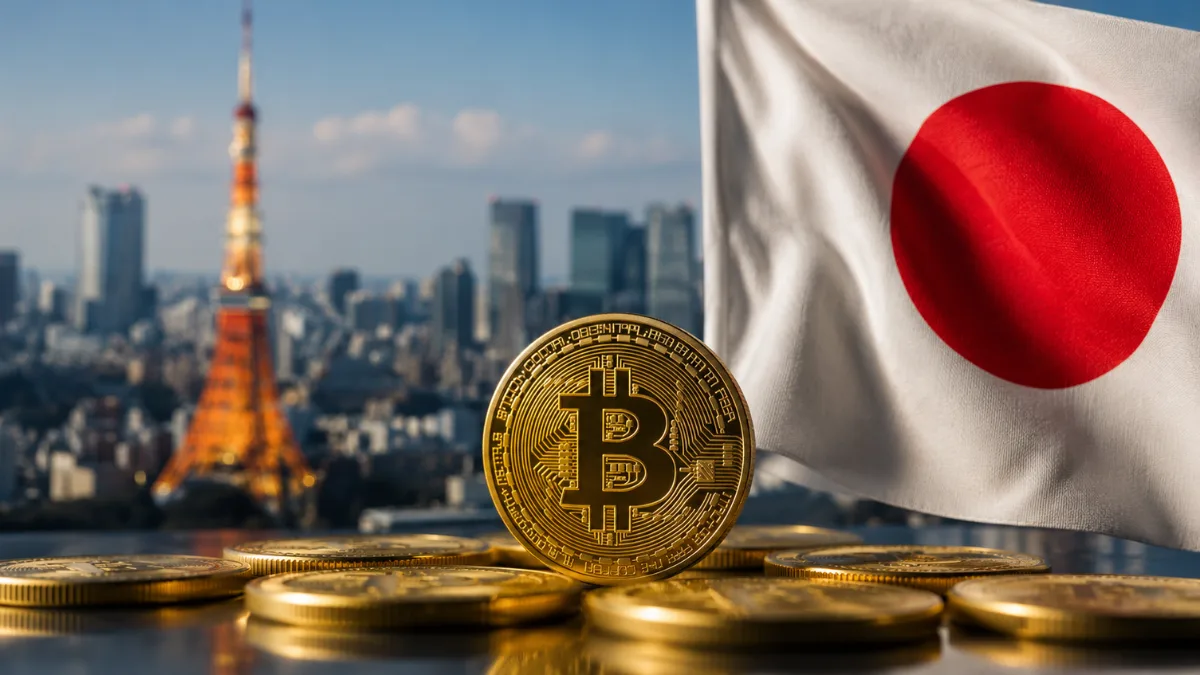


Japan could launch its first spot Bitcoin exchange-traded fund (ETF) by fiscal 2028, with analysts estimating the product could attract up to ¥3 trillion (approximately $20 billion) in new investment. The expected launch comes as Japanese regulators advance reforms designed to integrate digital assets into the country’s financial system while strengthening investor protections.
The initiative comes after Japan approved amendments to the Financial Instruments and Exchange Act (FIEA), which recognize cryptocurrencies as financial products. The Financial Services Agency (FSA) is now expected to revise investment trust regulations, creating a legal pathway for asset managers to offer spot Bitcoin ETFs to retail and institutional investors.
Why 2028 Is the Target for a Bitcoin ETF
Japan’s 2028 timeline reflects the country’s gradual approach to crypto regulation rather than an immediate ETF launch. The Financial Services Agency (FSA) is expected to complete additional amendments to investment trust rules, allowing cryptocurrencies such as Bitcoin and Ethereum to become eligible underlying assets for exchange-traded funds.
Before approving spot Bitcoin ETFs, regulators are also expected to introduce stricter standards covering investor protection, fund disclosures, custody arrangements, and operational oversight. The measures are designed to bring crypto investment products under the same regulatory framework applied to traditional financial instruments.
If approved, Japan would become one of the largest regulated Bitcoin ETF markets in Asia, joining jurisdictions such as the United States and Hong Kong. The move is expected to broaden access to regulated digital asset investments while strengthening Japan’s position as a regional crypto finance hub.
The recovery in Bitcoin ETF demand gained momentum in early July after U.S. spot Bitcoin ETFs recorded $222 million in net inflows, ending a 10-day streak of consecutive outflows. The rebound followed June’s record $4.06 billion in net outflows, the largest monthly withdrawal since spot Bitcoin ETFs launched. Renewed institutional buying has since helped restore market confidence, supporting Bitcoin’s latest price recovery.


Retail Investors Expected to Drive Demand
With the regulatory framework taking shape, analysts expect retail investors to become the primary source of demand. Unlike the U.S. spot Bitcoin ETF market, where institutions have dominated inflows, Japan’s market is expected to be driven largely by individual investors who have traditionally held a significant portion of their wealth in cash and bank deposits.
- Analysts estimate spot Bitcoin ETFs could attract up to ¥3 trillion in investments by 2028.
- Japan’s regulatory reforms are expected to pave the way for the country’s first spot Bitcoin ETF.
- ETFs would allow investors to gain Bitcoin exposure without directly managing crypto wallets or private keys.
- Large household cash savings provide significant growth potential for regulated crypto investment products.
- The launch could expand participation from retail investors, financial advisers, and wealth management firms.
Institutional Interest Continues to Build
Although retail investors are expected to account for much of the early demand, institutional interest is also accelerating. A survey conducted by Nomura Holdings and Laser Digital found that 79% of institutional investors and family offices in Japan plan to allocate capital to digital assets within the next three years.
Market participants believe regulated investment vehicles such as ETFs could become the preferred entry point for pension funds, financial advisers, and asset managers seeking Bitcoin exposure within existing compliance frameworks.
Japan Strengthens Its Position in Digital Finance
Japan has long been regarded as one of the world’s most regulated cryptocurrency markets, introducing licensing requirements for exchanges and consumer protection measures following several high-profile exchange failures over the past decade. The proposed Bitcoin ETF framework represents another step toward integrating digital assets into mainstream finance rather than treating them as speculative alternatives.
Industry observers believe a successful ETF launch could improve market liquidity, encourage broader institutional adoption, and strengthen Tokyo’s position as a leading digital asset hub in Asia. It could also influence other regional regulators considering similar investment products.
The proposed ETF framework still requires legislative changes and final regulatory approval before products can reach the market. If implemented on schedule, the 2028 launch would mark a significant milestone in Japan’s digital asset strategy and could position the country among the world’s leading regulated cryptocurrency investment markets.