
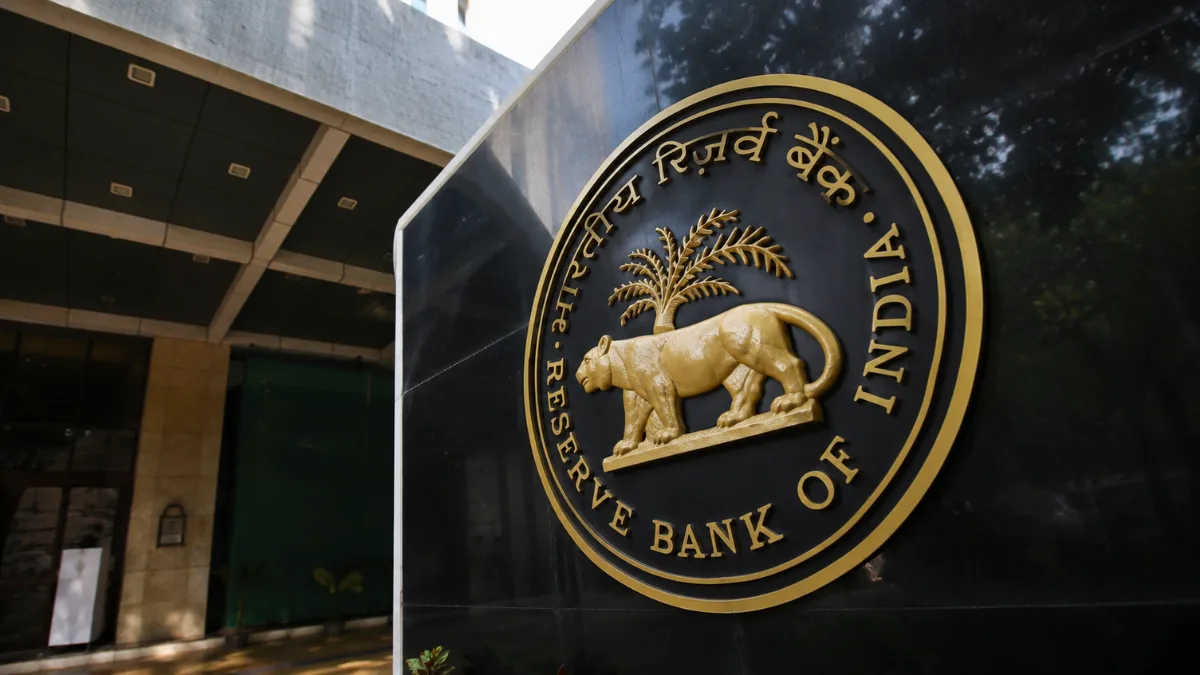


India’s cryptocurrency policy remains under scrutiny after internal government documents revealed that the Reserve Bank of India (RBI) continues to favor stricter restrictions on private cryptocurrencies, while the Income Tax Department has raised concerns over tax evasion linked to digital asset trading.
The documents, reviewed by Reuters, show that key government agencies remain cautious about the rapid growth of cryptocurrencies despite increasing global adoption. Although India has yet to introduce a comprehensive law governing digital assets, policymakers continue to prioritize financial stability, monetary sovereignty, and investor protection.
RBI Pushes for Stronger Restrictions
According to the documents, the RBI has recommended that banks and regulated financial institutions remain insulated from cryptocurrencies and privately issued stablecoins. The central bank argues that wider integration of crypto assets into the financial system could pose risks to monetary policy and financial stability.
The recommendation comes even as several major economies move toward clearer regulatory frameworks for digital assets rather than outright restrictions.
Tax Authorities Raise Compliance Concerns
India’s Income Tax Department also warned that cryptocurrency transactions conducted through offshore exchanges and private wallets make it difficult to identify asset owners and recover taxes. The documents note that peer-to-peer trading and cross-border platforms continue to complicate tax enforcement.
Government data cited in the documents showed that around 39 million Indians held approximately $2.1 billion worth of crypto assets as of May 2026. However, fewer than one-quarter of nearly 645,000 individuals who traded cryptocurrencies during the financial year ending March 2023 disclosed those holdings in their tax returns.
Policy Remains Unsettled
Although India introduced a 30% tax on cryptocurrency gains and requires exchanges to comply with regulatory registration requirements, the country has yet to finalize a dedicated legal framework for virtual digital assets. A draft bill proposing a ban on private cryptocurrencies was prepared in 2021 but was never introduced in Parliament.
The latest documents suggest authorities continue to favor tighter oversight rather than expanding crypto adoption. Meanwhile, the Ministry of Corporate Affairs is examining accounting standards for digital assets as policymakers continue to evaluate the sector’s long-term regulatory framework.
Global Regulatory Trend Differs From India’s Approach
India’s cautious stance contrasts with the direction taken by several major jurisdictions that have introduced dedicated cryptocurrency regulations instead of broad restrictions. The European Union has implemented the Markets in Crypto-Assets (MiCA) framework, while countries such as Singapore and the United Arab Emirates have established licensing regimes aimed at supervising digital asset businesses without prohibiting the industry.
Industry experts believe India’s eventual crypto framework could be influenced by evolving international standards and recommendations from global bodies such as the G20 and the Financial Stability Board (FSB). As India continues participating in international discussions on digital asset regulation, policymakers may seek a balance between encouraging innovation and addressing concerns related to financial stability, consumer protection, and illicit financial activities.
Regulatory Uncertainty Continues to Affect the Industry
The absence of a comprehensive crypto law has created uncertainty for exchanges, blockchain startups, and institutional investors operating in India. While cryptocurrency trading remains legal under the current tax regime, businesses continue to await clearer rules covering licensing, custody requirements, investor safeguards, and stablecoin oversight. Industry participants argue that regulatory clarity could improve compliance, attract investment, and reduce reliance on offshore platforms.
Disclaimer: Cryip's content is strictly for educational and informational purposes and does not constitute financial, legal, or investment advice. Cryptocurrency involves significant risk, and readers assume full responsibility for their own financial decisions. Asset references are never endorsements.
To make complex crypto topics accessible to readers at all experience levels, our team uses AI tools strictly to refine language, correct grammar, and simplify terminology. AI is never used to draft facts, source information, or form conclusions. Every article is fact-checked and approved by a human editor before publication. Read our full AI Use & Content Policy.